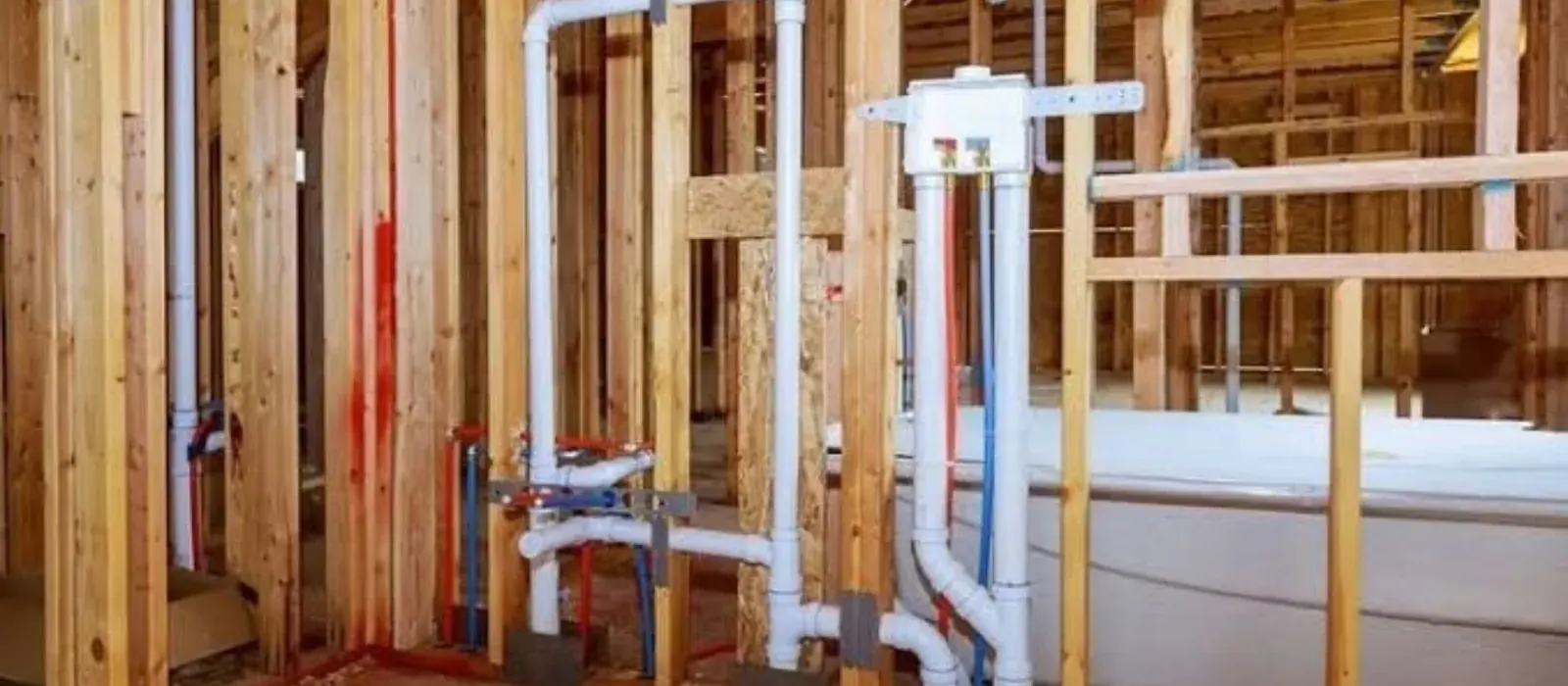
Plumbing Installation in Loma Linda, CA
New fixtures, water lines, valves and gas piping installed for Loma Linda homes and remodels, planned with permits and a clear price first.
Plumbing Installation help, day or night
Plumbing installation, from a single sink to a remodel rough-in
Plumbing installation is the planned side of the trade. It covers adding or replacing fixtures, running new supply and drain lines, setting shutoff valves, and roughing in pipes for a kitchen or bathroom remodel. Unlike a repair, you choose the date, the materials and the layout, so most of the value comes from planning before a wall is opened or a trench is cut.
Typical jobs for Loma Linda homeowners and landlords include a new kitchen sink or dishwasher line, a laundry hookup, an added bathroom, an outdoor hose bib, a water softener loop, or relocating a fixture during a remodel. The call starts with what you want, where it goes, and what the walls and floor are made of.
Gas line inspection and installation: leave first, call the utility first
If you smell gas, do not call a plumber first and do not look for the source. Leave the building right away with everyone inside, do not flip a switch or use a phone while inside, and from a safe place outside call SoCalGas at 1-800-427-2200 or call 911. A gas smell is a utility and emergency-services matter before it is a plumbing matter.
Once the utility has made the area safe, a licensed plumber can look at the customer-side piping. The California Contractors State License Board lists gas piping, appliance connections and flues from the meter to the building, and gas earthquake valves, within the plumbing classification. The utility handles its own side up to the meter.
A planned gas installation, such as a new range line, a dryer, a fire pit or a water heater, follows a set order. The route is laid out, the pipe size is checked against the appliances it will serve, the line is installed with proper supports and a shutoff, then tested for leaks before the appliance is connected. Ask the Loma Linda Building and Safety Division whether your gas job needs a permit and inspection.
Choosing pipe, valves and fixtures before the walls open
Material choices shape cost and service life more than most people expect. Copper, PEX and CPVC are common supply options, and each has trade-offs in fittings, access and how it handles heat. Which one is allowed for your job is confirmed with the plumber who comes out before anything is ordered.
Shutoff valves belong at every fixture. A quarter-turn stop under each sink and behind each toilet turns a small repair into a quick job instead of a trip to the main. Ask for a main shutoff that you can reach and turn, and label it. In a remodel, this is also the right moment to replace old supply lines and any valve that has not moved in years.
For fixtures, bring the model numbers or the spec sheets. The rough-in dimensions of a faucet, vanity, tub or shower valve decide where the pipes must end up, and a change of fixture after the rough-in is set can mean opening the wall again.
Permits, inspections and what the city says
Loma Linda's Building and Safety Division issues plumbing permits, and the city's own FAQ says plumbing, electrical and mechanical work each need their own permit. State law says a licensed contractor or the owner must obtain the permit. The city also says an inspection is needed before pipes buried beneath grade are concealed, so a trench or slab cannot be closed until it has been looked at.
Permit rules vary with the job, so ask the division whether a sink swap, a water line or a gas line needs one. The 2025 California Plumbing Code took effect on January 1, 2026, so planned work is built to that edition. The inspector, not the plumber, signs off, which is why the date of the inspection matters when you are scheduling tile or drywall.
California also requires a contractor license for any project that needs a building permit, whatever its size. You can check any plumber on the CSLB license lookup before you agree to work.
How a planned install runs, step by step
- The scope is walked: the fixtures, the line routes, the access and the water shutoff points.
- You hear a clear price before any work starts, and the permit question is answered.
- The water is shut off and old piping or fixtures are removed.
- New lines are run, supported and pressure tested before they are covered.
- The inspection is booked where a permit applies, and walls or slabs stay open until it passes.
- Fixtures are set, connected and tested under normal pressure.
A good install ends with a short walkthrough. You are shown the main shutoff, the fixture shutoffs, and any new valve you will need in an emergency.
Fixtures and the California water-use limits
California's 2025 CALGreen code sets mandatory limits for new residential work. Toilets may use 1.28 gallons per flush at most, showerheads 1.8 gallons per minute, bathroom faucets 1.2 gallons per minute and kitchen faucets 1.8 gallons per minute. These limits apply to new construction and certain additions and alterations, and the sale of fixtures is governed by separate state appliance rules.
In practice, pick fixtures that list those ratings on the box. A lower flow does not have to feel weak, because aerators and showerhead designs vary. If you are replacing an existing toilet or faucet instead of adding one, see the toilet repair or faucet repair pages for how replacement works.
New construction plumbing and additions
New construction means the pipes are installed before the walls are, which makes it the easiest time to get a layout right. Underground drain and water lines go in first, then rough-in inside the framing, then a pressure test, an inspection, and finally fixtures after drywall and tile.
Before anyone digs for a new line, call 811 at least two business days ahead so buried utilities are marked. For an accessory dwelling unit, a garage conversion or a room addition, the new fixtures connect to the existing water and sewer lines, and the sizing of those lines matters.
If you are adding a water heater, the sister page on water heater installation covers the venting, expansion tank and permit side. Neighbors in Redlands and Grand Terrace often start with the same scope questions.
Which installation path fits your project
| Job | Best when | Trade-off |
|---|---|---|
| Add a fixture to an existing line | A sink, dishwasher or laundry sits near existing pipes | Old lines may need upgrades to carry the load |
| Reroute during a remodel | Walls or floors are already open | Needs coordination with other trades |
| New gas line | A new range, dryer or outdoor appliance | Permit questions, inspection and a leak test |
| Add a bathroom or ADU | The house has room and capacity | Water, drain and vent sizing must be checked |
| Replace old supply lines | Valves or lines are corroded or leaking | Planned shutoffs and some wall access |
If the old lines are the real problem, repiping may be a better plan than one more patch on corroded pipe.
What installation work costs, and how to get your number
- Scope: one fixture, a whole room, or a full rough-in
- Pipe material, pipe size, and the length of the new run
- Access through walls, floors, slabs or a crawlspace, and whether concrete must be cut
- Permits, inspections and any plan review the job needs
- The fixtures you choose and whether they are on hand
- Gas work, which adds testing and inspection steps
Planned installation is not an insurance claim, but if the work uncovers hidden water damage, photograph it and ask your insurer. Many homeowner policies cover sudden and accidental discharge and exclude slow leaks and wear.
Want your real number for your house? Call (909) 505-3225 and you hear a clear price before any work starts.
Plumbing installation questions
The Loma Linda Building and Safety Division is the place to ask. The city says plumbing work needs its own permit, and an inspection is required before buried pipes are covered. Your plumber can walk through the steps with you.
Leave the building, then call SoCalGas at 1-800-427-2200 or 911 from a safe place. Do not turn switches on or off, and do not call a plumber first. Once the utility clears the area, gas work can resume.
Search the CSLB license lookup by license number or business name. It shows license status and any disciplinary record.
Owners can pull permits for work on their own home, but gas work carries extra risk. A leak behind a wall can cost far more than the job itself. If you do your own work, get the permit and inspection.
It depends on access, the permit, inspection scheduling and what else is in the walls. The plumber can give you a plan for the order of work when you call.
Call 811 at least two business days before digging so buried utilities can be marked. That includes gas, water and sewer.
Yes, after you test your water. See the water softener and filtration page for how the testing step works.
Planning plumbing work? Call to scope it
Describe the fixtures, lines or remodel you have in mind. You hear a clear price before any work starts.
Call (909) 505-3225Dispatched from Loma Linda
Crews head out from Loma Linda to the neighborhoods below and the towns around them.