Kitchen Sink Plumbing Vent: A Loma Linda, CA Homeowner Guide
A kitchen sink vent lets air into the drain so water leaves quietly. Here is how to spot a failed vent in a Loma Linda home and what to do about it.
What the vent under your kitchen sink actually does
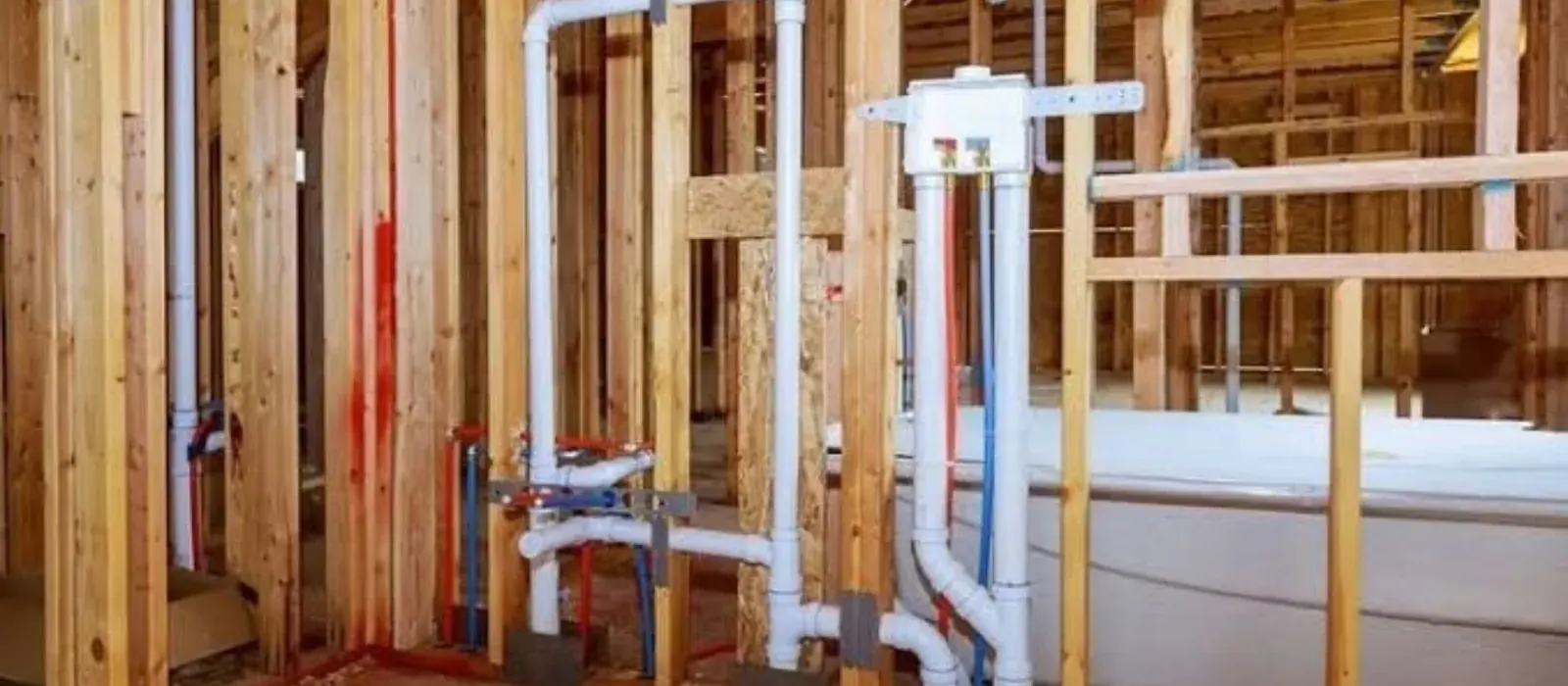
A plumbing vent is an open pipe that lets air into the drain system. Without it, water leaving the sink pulls a vacuum behind it, and the drain slows, gulps and gurgles. The vent also carries sewer gas up and out through the roof instead of into the kitchen.
Most kitchen sinks have a P-trap, which is the curved pipe that holds a small plug of water to block odor. The vent protects that plug. If air cannot reach the drain behind the trap, the moving water can pull the plug out and the smell comes up into the room.
The short answer for most homeowners is this. A gurgling kitchen sink with no standing water in the bowl is often a vent problem, while a sink that fills and holds water is usually a clog. The two can happen at once, so test before you buy anything.
Signs the vent is the problem and not a clog
Vent trouble leaves a different pattern than a plain blockage. Look for the clues below before you reach for a plunger.
- A gulping or bubbling noise from the sink right after the dishwasher or another fixture drains.
- A drain that runs fast for a few seconds, then slows to a crawl.
- A sewer smell near the sink with a trap that still holds water.
- Slow drains at the kitchen and at a nearby bathroom sink on the same wall.
- Water that drains normally while the window is open or after you lift a loose vent cap, then slows again.
A real clog behaves differently. Water backs up and stays in the bowl, and every drain use makes it worse. If your sink does that, a drain cleaning visit is the likelier fix than any work on a vent.
Common ways a kitchen sink is vented
Not every kitchen vent looks the same, and the layout decides what can fail. Plumbers usually find one of the setups in the table.
| Layout | How it works | Typical weak spot |
|---|---|---|
| Wall vent to roof | A pipe rises inside the wall and exits through the roof | Blocked top, broken joint in the attic, nest or debris |
| Island loop vent | A loop under the counter rises high, then drops to the drain | Poor slope or a clogged loop that holds water |
| Air admittance valve | A one-way valve under the sink opens to pull air in | Worn seal that sticks, or a layout the local code does not accept |
| Shared bathroom vent | Kitchen drain ties into the vent of a nearby bath | A blockage affects both fixtures at once |
The air admittance valve is the one to ask about before you buy. Whether one is accepted on your job is a code question, and the answer can differ by city. Ask the Loma Linda Building and Safety Division before you install one yourself.
A simple check you can do in ten minutes
You do not need tools to narrow this down. Work through these steps in order and write down what you see.
- Fill the kitchen sink halfway with water, pull the stopper, and listen. A glug at the end points toward air starvation.
- Run the faucet at a steady trickle with the drain open. If it drains fine, the trouble shows up only at high flow, which hints at a partial vent blockage.
- Check the trap for a water seal. Shine a light into the trap arm. A dry trap means the water plug is being pulled out.
- Test a second fixture on the same wall, such as a bathroom sink. Two slow fixtures on one vent line suggest the vent, not the kitchen drain.
- Look at the roof vent from the ground if you can see it safely. A bird nest or leaves at the opening is a common cause.
Stop there. Climbing on a roof or into an attic to clear a vent is where homeowners get hurt, and a cracked vent pipe is easy to make worse.
What a homeowner can do and what to leave alone
Some jobs are fair game. Cleaning the trap, running a hand auger a short way down the drain, and checking a visible air admittance valve for dust all take basic tools and little risk. Wear gloves and put a bucket under the trap first.
Leave the rest to a licensed plumber. Cutting into a wall, rerouting drain and vent pipe, working in an attic or on a roof, and tying a new vent into the main stack all change the plumbing system. Do not use chemical drain openers on a gurgling sink either. They sit in a half-blocked trap and can burn skin and eyes when you open it.
California requires a contractor licence for work above a cost threshold set by the state's Contractors State License Board, and also for any job that needs a building permit. The board posts the current threshold on its website. You can look up any contractor on the same site before you hire, and the lookup shows licence status and complaint history.
If a gas appliance such as a range sits near the work, remember that gas is a separate matter. Leave the building if you smell gas and call SoCalGas at 1-800-427-2200 from outside, or call 911 if you cannot reach them. Do not call a plumber first.
Loma Linda local note: permits and older homes
Census survey data for Loma Linda shows 10,181 housing units, with 42.5 percent built before 1980 and a median build year of 1984. Older kitchens often have vents that were altered during remodels, cut short, or joined to another line in a way that no longer works well. If your house is from the 1970s or earlier, ask for the vent path to be traced instead of assuming the fault is at the sink.
The city's Building and Safety Division says plumbing work needs its own permit, separate from electrical and mechanical work, and that a licensed contractor or the owner must obtain it. It also says inspection is needed before pipes buried beneath grade are concealed. The city pages do not spell out a rule for vent repairs or air admittance valves, so call the division at the counter number on its page and ask before you open a wall.
That matters for resale and for rentals. In Loma Linda, renters are about 62 percent of households, so many kitchens belong to a landlord. If you rent, report a gurgling sink to the owner or manager first, because they decide who does the repair and who pulls any permit.
How the repair is usually done
Once the cause is found, the fix is often smaller than people fear. A plumber may clear the vent top with a camera or a long auger, replace a cracked section, reconnect a vent that was cut during a remodel, or add a properly sized vent where the layout never had one.
For new vent runs, the work belongs with plumbing installation because pipe size, slope and the distance from the trap all have limits set by code. A vent that is too far from the trap, or too small, can cause the same gurgle you started with.
Neighbors in Redlands, about 4.2 miles east of our Loma Linda address in a straight line, and in Colton, about 4.7 miles west, often have the same questions about older kitchens. We serve both, and the checks above apply in each town.
When to call a plumber
Call if the sink gurgles after every use, if a sewer smell comes back after you refill the trap, or if two fixtures on one wall drain slowly. Call right away if sewage appears at a drain or the smell is strong enough to notice in the next room.
The line is open 24/7, including nights and weekends. Call (909) 505-3225 and a licensed plumber will talk through what you see and tell you a clear price before any work starts.
Kitchen vent questions
Yes. When air cannot enter behind the water, the drain pulls slowly and noisily. The sink may still empty, only more slowly than it should, which is why people often blame a clog and keep snaking a line that is not blocked.
Sometimes, but it is a code decision and not only a product choice. Some layouts allow one and some do not, and approval can depend on the city. Check with the building department before buying a valve for a permanent fix.
Running water refills the trap, but a failing vent can pull the water plug out again on the next drain. If the smell returns within a day, the vent or a cracked drain joint is the likelier source.
Permit rules vary by the scope of work. The city says plumbing work needs its own permit, and a small repair may differ from a new vent run. Ask the Loma Linda Building and Safety Division before you start, or ask the plumber how the permit will be handled.
Look at the age first. About 42.5 percent of homes in the city were built before 1980, and older kitchens are more likely to have been altered. A plumber can trace the vent with a camera or by testing air flow, so you do not have to open walls to find out.
Kitchen sink gurgling or draining slow?
Call and a licensed plumber will work out whether it is the vent or the drain, with a clear price before work starts.
Call (909) 505-3225Dispatched from Loma Linda
Crews head out from Loma Linda to the neighborhoods below and the towns around them.